AI-Powered Aviation Solutions: Transforming Modern Airlines Across the United States
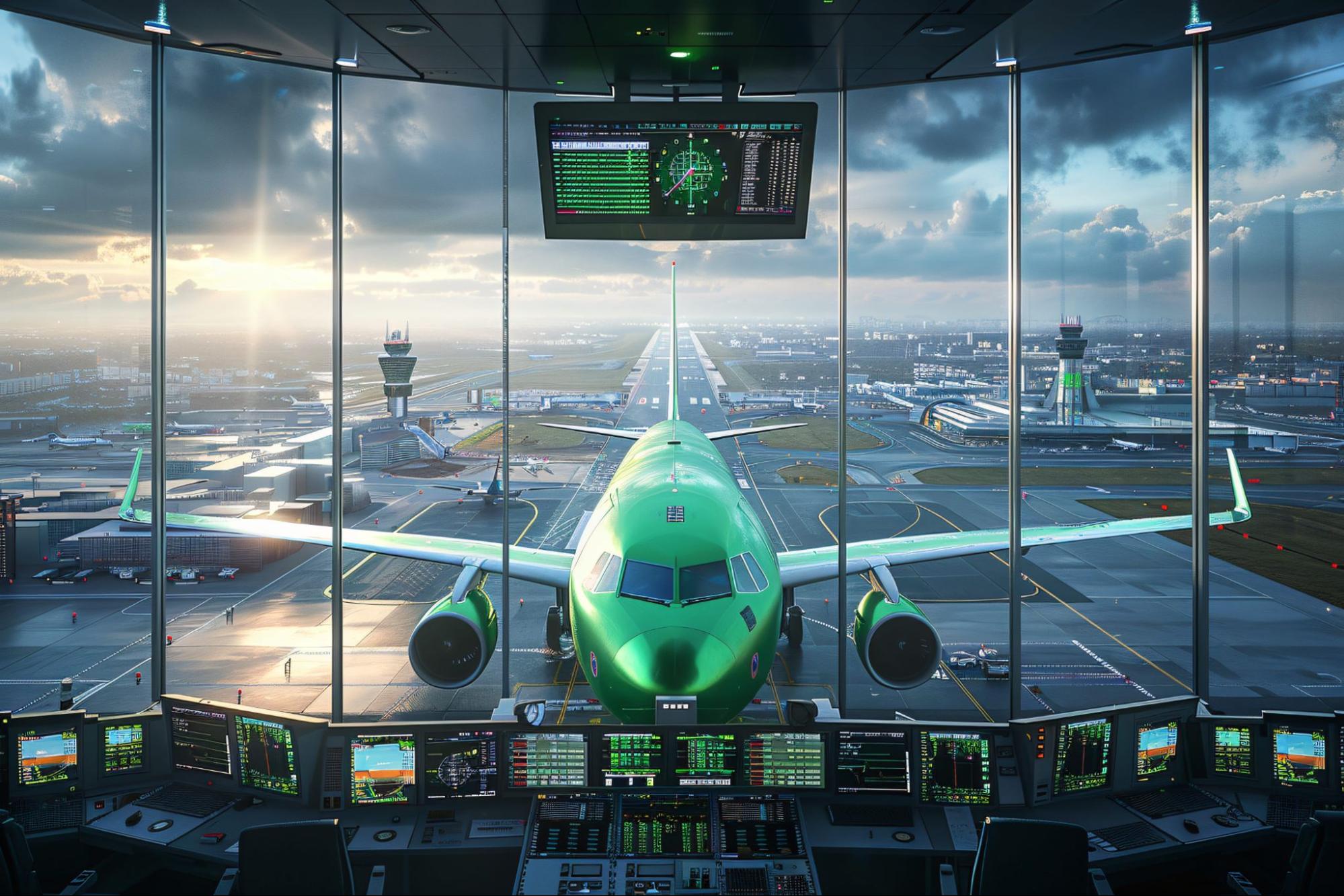
The aerospace landscape in North America is undergoing a seismic shift. As passenger volumes surge and operational complexities multiply, the integration of AI-powered aviation solutions for U.S. airlines has evolved from a futuristic luxury to a fundamental necessity. In an era where a single minute of delay can cost carriers thousands of dollars, the deployment of artificial intelligence is no longer just about innovation—it is about survival, efficiency, and competitive dominance.
From the bustling hubs of Atlanta to the tech-driven terminals of San Francisco, we are witnessing how AI is transforming modern airline operations in the USA. This deep dive explores the sophisticated ecosystem of automation, data intelligence, and machine learning that is redefining what it means to fly in the 21st century.
The Dawn of Aviation AI Systems in Domestic Carriers
The initial wave of digital transformation focused on simple digitization. Today, we have entered the era of aviation AI systems. These platforms do more than store data; they interpret it. For major U.S. carriers, these systems act as the "brain" of the operation, synthesizing vast amounts of telemetry data, weather patterns, and historical performance to provide actionable insights.
The adoption of these systems allows airlines to move away from reactive management. Instead of responding to a crisis, operations centers can now visualize potential bottlenecks hours before they occur. This shift toward "anticipatory aviation" is the hallmark of a truly modern carrier, where data points are converted into strategic advantages.
Streamlining Hubs with Airline Automation Tools

Efficiency at the gate and on the tarmac is the heartbeat of any successful airline. The implementation of airline automation tools has revolutionized ground handling and turnaround times. These tools automate the mundane yet critical tasks—such as weight and balance calculations, fueling schedules, and crew assignments—ensuring that human error is minimized and resource utilization is maximized.
In the United States, where hub-and-spoke models dominate, the precision offered by automation ensures that tight connection windows are met. This directly impacts the bottom line by reducing idle time and ensuring that every asset, from the aircraft to the ground crew, is operating at peak performance levels.
Enhancing Ground Operations via Smart Airport Technologies
The flight experience begins long before the wheels leave the runway. Smart airport technologies are being integrated into major U.S. infrastructure to alleviate congestion and improve the passenger flow. AI-driven sensors and computer vision now monitor TSA lines, baggage carousels, and terminal foot traffic in real-time.
By analyzing this data, airlines and airport authorities can dynamically reallocate staff to prevent bottlenecks. This synergy between the carrier and the terminal infrastructure creates a seamless flow that reduces the inherent stress of air travel, providing a premium experience that begins the moment a traveler enters the terminal.
Prioritizing Safety Through AI in Aviation Safety
Safety is the non-negotiable pillar of flight. The introduction of AI in aviation safety has introduced a new layer of protection that was previously unattainable. Modern systems can analyze cockpit voice recordings and flight data recorder (FDR) information at scale, identifying subtle "near-miss" patterns or flight profile deviations that human auditors might overlook.
These AI models are trained to recognize the early signs of pilot fatigue or mechanical anomalies, allowing safety officers to implement corrective training or maintenance protocols before an incident occurs. In the U.S., where FAA regulations are stringent, AI serves as an invaluable partner in maintaining and exceeding the world's highest safety standards.
Reducing AOG Time with Predictive Maintenance Aviation
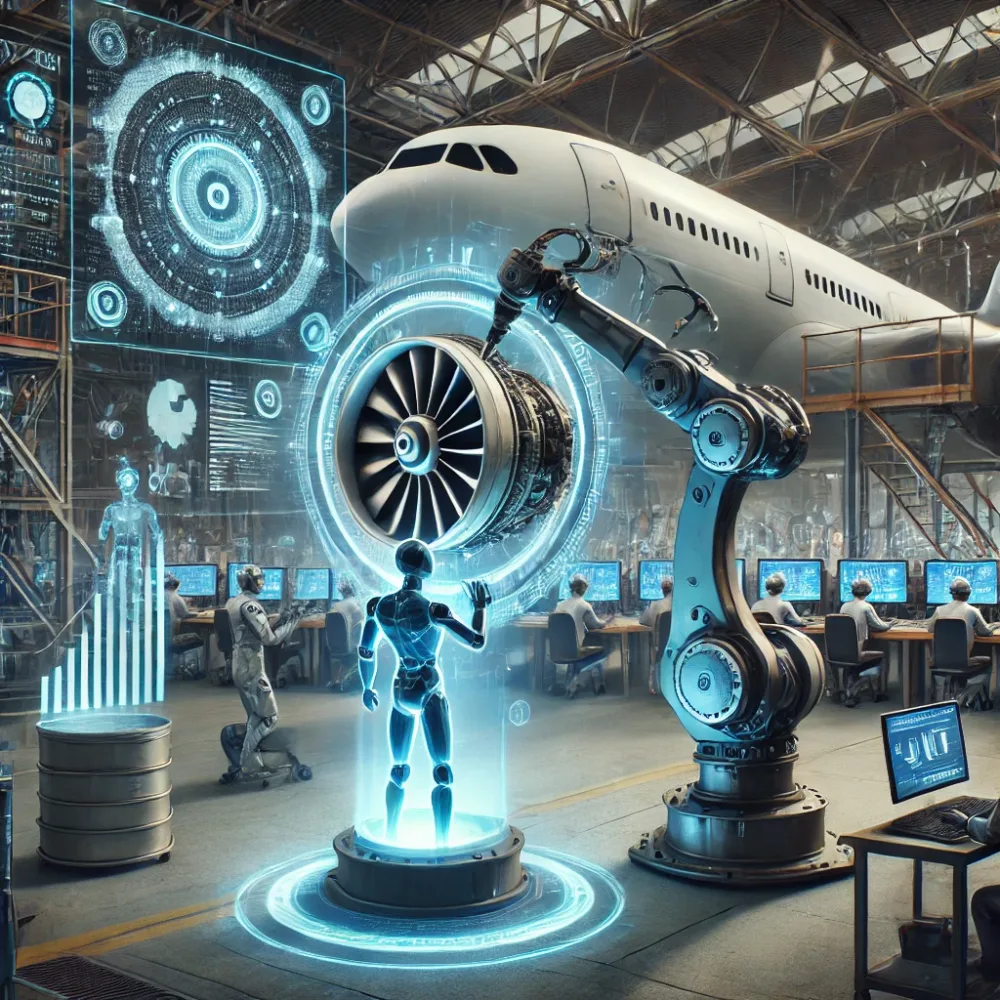
There is perhaps no greater drain on airline revenue than an "Aircraft on Ground" (AOG) situation. Predictive maintenance aviation leverages IoT sensors embedded in engines, avionics, and landing gear to monitor health in real-time. By applying deep learning algorithms to this telemetry, carriers can identify the specific "signature" of a failing part weeks before it actually breaks.
Instead of following rigid, calendar-based maintenance schedules, U.S. airlines are now moving toward condition-based maintenance. AI algorithms predict when a specific component is likely to fail, allowing parts to be shipped and technicians to be scheduled at a convenient hub during a scheduled layover. This proactive approach significantly increases fleet availability and operational reliability.
Navigating the Digital Transformation in Airlines
The journey of digital transformation in airlines is a multi-year roadmap that requires a holistic vision. It involves breaking down legacy data silos between maintenance, flight ops, and customer service. For American legacy carriers, this means migrating from outdated mainframes to cloud-native AI platforms that can scale with seasonal demand and process petabytes of information instantaneously.
Successful transformation requires a cultural shift as much as a technological one. It involves empowering employees with AI-assisted tools that augment their decision-making capabilities. When frontline staff have access to intelligent insights, the airline remains agile and responsive in a volatile global market.
Strategic Insights from Machine Learning Aviation Analytics
Data is the new oil, but only if it is refined into actionable intelligence. Machine learning aviation analytics allow carriers to perform deep-dive post-flight analyses that reveal hidden inefficiencies. By processing millions of data points from previous transcontinental flights, machine learning models can identify the most fuel-efficient altitudes and speeds for specific weather conditions and payload weights.
These analytics provide C-suite executives with a granular view of operational costs, enabling them to make high-stakes, data-driven decisions on everything from route expansion to aircraft procurement and fuel hedging strategies.
Synchronizing the Fleet with Intelligent Airline Operations

Managing a fleet of hundreds of aircraft across multiple time zones requires a level of orchestration that exceeds human capacity. Intelligent airline operations platforms provide a unified view of the entire network. If a severe storm hits a major hub like Chicago O'Hare, the AI can instantly simulate thousands of re-accommodation scenarios, selecting the one that minimizes total network delay and preserves crew duty cycles.
This level of intelligent orchestration ensures that a disruption in one part of the country doesn't lead to a total systemic collapse. By maintaining "network elasticity," airlines can recover faster and maintain their schedules even in the face of significant external challenges.
Monitoring the Skies with Real-time Airline Monitoring Tools
Visibility is the key to maintaining control over a sprawling operation. Real-time airline monitoring tools provide dispatchers with a live digital twin of their entire fleet. These tools integrate ADS-B tracking, weather overlays, and airport congestion data into a single, intuitive interface.
By having a real-time pulse on the operation, airlines can adjust flight paths mid-air to avoid unexpected turbulence or take advantage of shifting tailwinds. This not only improves safety but also saves thousands of gallons of fuel annually across the fleet, contributing to both financial and environmental goals.
Personalized Journeys: AI for Passenger Management
The modern traveler expects a bespoke experience that mirrors the personalization they receive in other digital sectors. AI for passenger management allows airlines to move beyond generic service. AI chatbots and virtual assistants handle routine re-booking tasks with natural language processing, while recommendation engines offer personalized upgrades or services based on a traveler's historical preferences and current loyalty tier.
Furthermore, AI helps in sentiment analysis, monitoring social media and feedback loops in real-time. This allows customer service teams to identify and address grievances before a passenger even leaves the airport, turning a potential PR crisis into an opportunity for brand loyalty.
Driving Growth with Aviation Optimization Solutions
In a low-margin industry, optimization is the difference between profit and loss. Aviation optimization solutions focus on the "fine-tuning" of the business model. This includes sophisticated revenue management systems that use AI to predict demand and set ticket prices dynamically, as well as cargo load optimization that ensures every cubic inch of the aircraft's belly is utilized effectively.
These solutions ensure that every flight is as profitable as possible, providing the capital necessary for further technological reinvestment and fleet modernization.
Embracing Airline Technology Advancements
The pace of airline technology advancements is accelerating at an exponential rate. We are seeing the rise of biometric boarding for touchless travel, autonomous tugs for pushback operations, and AI-driven flight planning that optimizes for carbon output. For U.S. airlines, staying at the forefront of these advancements is essential for maintaining a premium brand image.
Innovation in this space is no longer siloed in R&D departments; it is being integrated into the daily workflow of pilots, gate agents, and mechanics to create a more resilient and efficient enterprise.
Precision Timing through Predictive Flight Operations
Predicting exactly when a flight will touch down is a complex math problem involving weather, traffic, and ground constraints. Predictive flight operations use AI to account for air traffic control (ATC) delays, taxi times, and gate availability. By providing more accurate "Estimated Time of Arrival" (ETA) data, airlines can better coordinate ground crews and reduce the time passengers spend waiting for a gate to open.
This precision timing ripples through the entire network, improving the reliability of connecting flights and reducing the need for costly "buffer" time in schedules, allowing for higher aircraft utilization rates.
Leveraging Global Data: Aviation Data Intelligence
The aviation industry generates petabytes of data daily, but much of it remains underutilized. Aviation data intelligence is the practice of aggregating this data from global sources—including satellite weather, global distribution systems (GDS), and international regulatory updates—to create a comprehensive operational picture.
By contextualizing local U.S. operations within the global aviation ecosystem, carriers can better navigate international disruptions and align their domestic strategies with global market trends and fuel price fluctuations.
The Future of U.S. Airline Technology Innovation
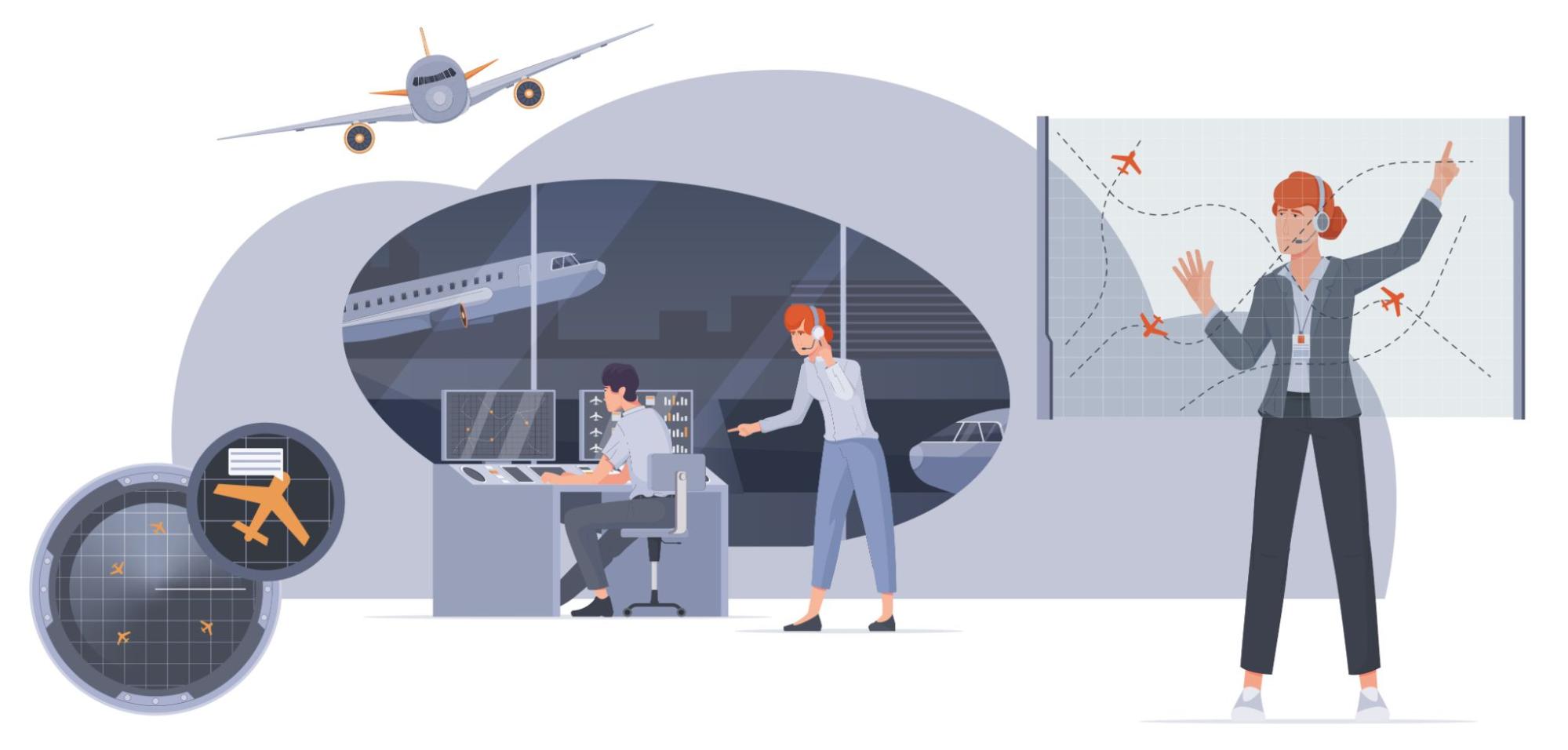
The United States has always been the home of aviation, and today, U.S. airline technology innovation is focused on the frontiers of "Autonomous Flight" and "Sustainable Aviation." AI is the critical enabler for electric vertical take-off and landing (eVTOL) aircraft and the management of sustainable aviation fuel (SAF) logistics.
As we look toward 2030, the carriers that will lead the market are those currently investing in the underlying AI architecture required to support these next-generation technologies, ensuring they remain leaders in the global aerospace economy.
Selecting the Best AI Software for Airline Fleet Management
Choosing the right technology partner is a critical strategic decision. The best AI software for airline fleet management should offer modularity, scalability, and deep interoperability. It must be able to ingest data from diverse aircraft types—from regional jets to wide-body giants—and provide a unified interface for the maintenance and operations teams.
Enterprise-level software must also prioritize cybersecurity, ensuring that the AI systems controlling fleet logistics are hardened against external threats and comply with international data protection standards.
Implementing Predictive Analytics Technology for American Airlines
For large-scale domestic carriers, the implementation of predictive analytics technology for American airlines focuses heavily on labor and resource planning. AI can predict "sick call" rates during flu season or peak travel holidays by analyzing historical trends and public health data.
This allows HR and crew scheduling departments to staff up appropriately and avoid the "cancellation cascades" that occur when crew availability fails to meet the flight schedule, protecting the airline's reputation and its passengers' plans.
Scaling AI-based Maintenance Automation for Aviation Companies
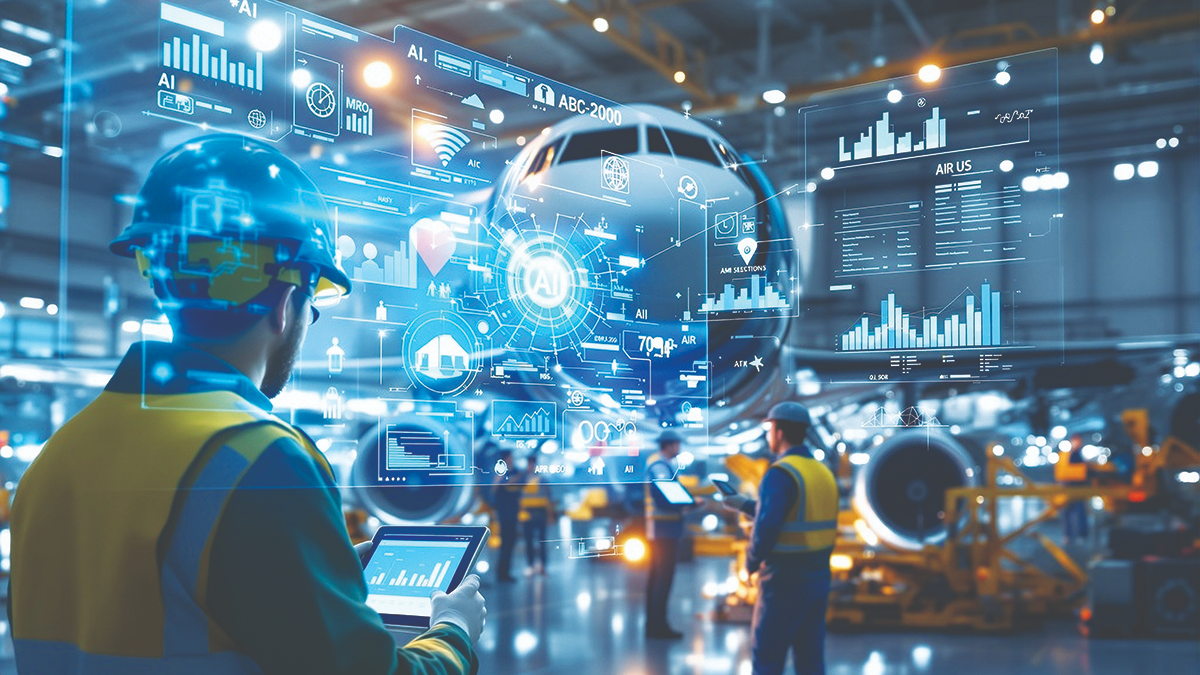
The shortage of skilled aircraft mechanics is a growing challenge in the United States. AI-based maintenance automation for aviation companies helps bridge this gap by providing digital assistance at the point of repair. Augmented Reality (AR) glasses powered by AI can guide technicians through complex repairs, highlighting parts and providing real-time data overlays.
This accelerates the training process and ensures that maintenance is performed to the highest standard every time, regardless of the technician's experience level, thereby increasing safety and reducing turnaround times.
Case Studies: Modern Airline Digital Transformation Using AI
When we examine successful modern airline digital transformation using AI, we see a common thread: a move toward a "platform" mindset. By creating a central data lake, airlines can run multiple AI models simultaneously—one for fuel, one for crew, and one for passenger experience—all drawing from the same "source of truth."
These case studies show that the ROI on AI investment typically manifests within the first 18 months, primarily through significant reductions in fuel burn and a decrease in delay-related passenger compensation costs.
Machine Learning Solutions for Large Airline Carriers in the U.S.
The complexity of a "Big Four" carrier in the U.S. is staggering. Machine learning solutions for large airline carriers in the U.S. are now being used to optimize "Recovery Hub" logic. When a major blizzard hits a hub like Denver or New York, ML models can automatically re-route thousands of passengers across partner airlines and alternative routes.
This minimizes the total "time-to-destination" for the entire passenger base, preserving customer satisfaction during events that would otherwise result in catastrophic service failures.
Enhancing Loyalty: AI Tools for Improving Airline Passenger Experience
Beyond the flight itself, AI tools for improving airline passenger experience focus on the "End-to-End" journey. This includes AI-driven lost-and-found tracking, which uses image recognition to match lost items with their owners, and predictive baggage handling that alerts a passenger via an app if their bag was delayed before they even reach the carousel.
These small, high-impact interactions build immense trust and differentiate a carrier in a crowded market where service quality is the primary differentiator.
Operational Excellence: Advanced AI Platforms for Airport Operations in the USA
The interface between the plane and the gate is where time is won or lost. Advanced AI platforms for airport operations in the USA utilize "Computer Vision" at the gate to monitor the loading of catering, baggage, and passengers.
If the "catering truck" is late, the system automatically alerts the pilot and dispatch, allowing for a proactive adjustment of the departure sequence. This level of granular visibility ensures that the "turnaround" is treated as a precision-engineered process.
Safety First: Intelligent Aviation Systems for Real-time Operational Efficiency
By combining safety and efficiency, intelligent aviation systems for real-time operational efficiency ensure that speed never comes at the cost of risk. These systems monitor "stabilized approach" parameters in real-time, providing pilots with immediate feedback and ensuring that every landing is within the safety envelope.
This proactive feedback loop reduces the need for "go-arounds" which waste fuel and time, while simultaneously building a culture of continuous safety improvement.
Compliance and Beyond: AI-driven Safety and Compliance Solutions for U.S. Airlines
Regulatory reporting is a massive administrative burden that can distract from core operations. AI-driven safety and compliance solutions for U.S. airlines automate the generation of FAA-required reports. By using Natural Language Processing (NLP), these systems can read through pilot logs and maintenance records to ensure every "i" is dotted and every "t" is crossed.
This reduces the risk of regulatory fines and improves oversight, allowing safety officers to focus on strategic risk mitigation rather than manual data entry.
Maximizing Output with Aviation Workflow Automation Solutions Powered by AI
From the back office to the cockpit, aviation workflow automation solutions powered by AI are removing the friction from aviation operations. Electronic Flight Bags (EFBs) are now equipped with AI that calculates the optimal take-off thrust based on the current runway condition, wind speed, and air temperature.
This extends engine life and saves fuel, demonstrating how automation at the individual level can lead to massive aggregate savings for the airline enterprise.
Leadership through Data-driven Decision-making Platforms for American Airlines
Strategic leadership in the modern age requires a dashboard, not a crystal ball. Data-driven decision-making platforms for American airlines provide executives with real-time KPIs on network health, financial performance, and customer sentiment.
This allows for agile pivots in strategy, such as shifting capacity to more profitable routes or adjusting marketing spend in response to changing economic conditions, ensuring the airline remains profitable in any environment.
Reliability: AI Solutions for Reducing Airline Delays and Disruptions
The ultimate goal of any AI implementation is the elimination of the "unexpected." AI solutions for reducing airline delays and disruptions focus on "Network Resilience." By simulating "what-if" scenarios, airlines can build more robust schedules that have the inherent flexibility to absorb minor delays without triggering a system-wide failure.
Reliability is the greatest service an airline can provide, and AI is the engine that makes that reliability possible at scale.
Sustainability: Smart Aviation Technology for Optimizing Airline Fuel Efficiency
Environmental stewardship is the next great challenge for the industry. Smart aviation technology for optimizing airline fuel efficiency is the most effective tool we have today for reducing the carbon footprint of flight.
By optimizing every phase of flight—from taxi to descent—AI can reduce total fuel burn by up to 5-10%. This represents a massive reduction in CO2 emissions across the millions of flights that crisscross the U.S. annually, positioning the airline as a leader in sustainable travel.
Navigating the Future of Intelligent Flight
The integration of AI into the U.S. aviation sector is not a destination, but a continuous journey of refinement. The carriers that embrace these AI-powered aviation solutions are doing more than just improving their margins; they are building a more resilient, safe, and passenger-centric future for the entire industry.
As we move forward, the "Intelligent Airline" will be characterized by its ability to turn data into a competitive advantage. The sky is no longer the limit—it is the laboratory where the future of travel is being built, one algorithm at a time.
Are you ready to transform your operations? Request a Demo | Contact our Aviation Experts |Share this Report