ChatGPT App Integrations Explained: How to Use DoorDash, Spotify, Uber, and Other Connected Apps
Artificial intelligence has moved past experimentation. For many organizations, the real challenge is no longer what AI can do, but how to make it actually do work inside real business systems.
The launch of GPT-4o and the rapid expansion of the GPT Store mark a critical turning point. ChatGPT has evolved from a conversational assistant into a connected productivity and execution platform—one capable of interacting with live systems, triggering actions, and orchestrating workflows across tools.
Through ChatGPT app integrations, AI is no longer confined to generating text. It can now book rides, analyze data, automate workflows, and securely interact with enterprise software. This shift—from asking questions to executing actions—is redefining how individuals and organizations operate.
This guide explains how ChatGPT connected apps work, how to use them effectively, and why they are becoming essential for enterprise productivity, automation, and competitive advantage.
The Core Problem: AI Is Powerful, but Work Is Still Fragmented
Despite rapid AI adoption, most organizations still face the same operational friction:
- Employees constantly switch between disconnected tools
- AI outputs require manual follow-up
- Valuable insights never translate into action
- AI pilots remain isolated and fail to deliver ROI
In short, intelligence exists, but execution is broken.
ChatGPT app integrations solve this problem by turning AI into an orchestration layer—connecting human intent with real-world systems in a single conversational interface.
Understanding ChatGPT Third-Party App Integrations
The rise of ChatGPT third-party app integrations represents a fundamental evolution in artificial intelligence—from passive response engines to action-oriented systems.
Earlier large language models were limited to static knowledge and text outputs. While impressive, they still required humans to act on the results. With integrations, ChatGPT now acts as a control plane, capable of:
- Accessing real-time data from external platforms
- Executing commands within third-party applications
- Coordinating multiple tools through a single prompt
These integrations operate through secure APIs. When a user submits a request—such as checking availability, generating content, or initiating an order—ChatGPT communicates with the relevant system, processes the response, and presents results in natural language.
This evolution is why many industry leaders now describe ChatGPT as transitioning into a “Large Action Model”, where reasoning is directly linked to execution.
How to Use ChatGPT App Integrations (Step-by-Step)
If you’re wondering how to use ChatGPT app integrations, OpenAI has intentionally removed complexity through the GPT Store.
- Step 1: Access the GPT Store: From the ChatGPT interface, navigate to “Explore GPTs.”
- Step 2: Choose a Verified Integration: Browse GPTs and connected apps across categories like productivity, travel, design, analytics, and automation.
- Step 3: Authenticate Securely: Log in via OAuth to authorize access. Permissions are transparent, granular, and revocable—critical for enterprise trust.
- Step 4: Prompt Naturally: Describe your intent in plain language. ChatGPT handles API calls, data retrieval, and formatting automatically.
This conversational workflow dramatically reduces friction and eliminates constant app switching.
Streamlining Transportation with ChatGPT Uber Integration
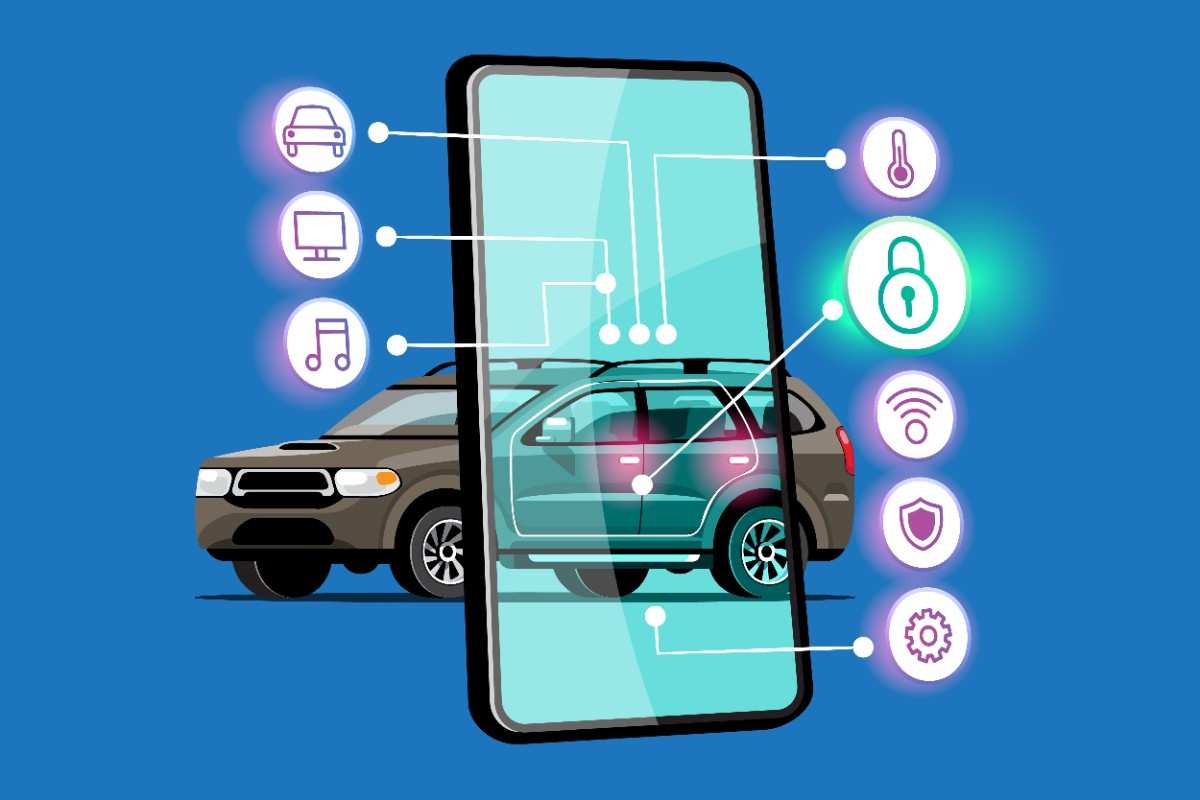
The ChatGPT Uber integration illustrates how AI simplifies everyday logistics.
Instead of opening multiple apps to compare pricing or availability, users can request rides directly inside ChatGPT. When calendar and location data are connected, ChatGPT can even suggest optimal pickup times based on traffic conditions and meeting schedules.
For professionals managing tight calendars, this means:
- Fewer delays
- Better time planning
- Reduced cognitive load
Small efficiencies like this compound across a workweek.
Smarter Food Decisions with ChatGPT DoorDash Integration

Food ordering is a surprisingly repetitive and time-consuming task. The ChatGPT DoorDash integration removes that friction entirely.
Users can issue contextual prompts such as:
- “Find a high-protein lunch under $20 nearby”
- “Suggest vegetarian dinner options with fast delivery”
ChatGPT analyzes live menus, filters by dietary preferences, pricing, and availability, and provides direct ordering links. What once took 10–15 minutes becomes a single-step interaction.
For teams and executives, this is less about convenience and more about time reclaimed.
Personalized Entertainment with ChatGPT Spotify Integration

The ChatGPT Spotify integration shows how AI understands intent better than traditional interfaces.
Instead of searching for songs or artists, users describe outcomes:
- “A two-hour deep-focus playlist”
- “Upbeat music for a morning workout”
ChatGPT translates abstract intent into curated playlists and syncs them directly with Spotify. Over time, recommendations improve as preferences are learned—creating a dynamic, adaptive experience.
High-Impact Business Use Cases for ChatGPT Integrations
While consumer integrations are impressive, the most significant value appears in enterprise environments.
Organizations are deploying ChatGPT integrations to connect unstructured data (emails, chats, documents) with structured systems (CRMs, ERPs, analytics platforms).
Key enterprise use cases include:
- Sales Enablement: ChatGPT can automatically research prospects, summarize company data, and prepare personalized outreach—reducing preparation time while improving relevance.
- Market Intelligence: By connecting search-enabled tools, teams can monitor competitor pricing, product launches, and industry trends in near real time.
- Customer Support: AI drafts context-aware responses using live internal documentation, past tickets, and knowledge bases—improving speed and consistency.
- Operations & HR: Employees query internal policies, onboarding materials, or SOPs conversationally, reducing internal support tickets and delays.
The result: faster decisions, lower manual effort, and more consistent execution across teams.
Mini Enterprise Scenario: From Manual to Automated
| Phase | Process | Outcome |
|---|---|---|
| Before | A sales team manually researches leads, drafts emails, updates CRM records, and schedules follow-ups. | Spending hours per week on admin work. |
| After ChatGPT Integrations | New leads trigger automated research, ChatGPT summarizes intent and drafts outreach, CRM records are updated automatically, Follow-ups are scheduled without human input. | Sales teams focus on conversations, not coordination—while pipeline velocity increases. |
How ChatGPT Integrates with Third-Party Apps (Technical Overview)
From a technical perspective, ChatGPT integrates with third-party apps through OpenAI’s Actions framework.
Developers expose systems using an OpenAPI specification, defining available endpoints and parameters. When a user submits a prompt, ChatGPT:
- Determines if an external action is required
- Selects the appropriate API endpoint
- Sends structured parameters
- Interprets the JSON response
- Converts it into natural language
This architecture enables powerful automation while enforcing strict boundaries around permissions, security, and data access.
Driving Efficiency with ChatGPT Integrations for Productivity
One of the fastest-growing adoption areas is ChatGPT integrations for productivity.
By connecting tools like email, messaging, and task managers, ChatGPT becomes a digital executive assistant capable of:
- Summarizing long conversations
- Extracting action items
- Drafting responses in the right tone
- Updating task lists automatically
This reduces administrative overhead and allows knowledge workers to focus on high-impact work.
ChatGPT Integrations for Enterprises: Security Comes First
When evaluating ChatGPT integrations for enterprises, security and governance are non-negotiable.
Many organizations deploy Private GPTs, which:
- Operate within controlled environments
- Access only approved internal data
- Prevent sensitive information from leaving the organization
Employees gain AI-powered access to proprietary systems without compromising compliance or data protection.
GPT Store vs Custom ChatGPT API Integrations
Not all integrations are created equal.
- GPT Store Integrations: Fast to deploy, Ideal for general productivity, Limited customization.
- Custom ChatGPT API Integrations: Built for specific workflows, Deep system access, Enterprise-grade security and scalability.
For organizations serious about AI as a competitive advantage, custom integrations are often the long-term solution.
Automating Workflows with ChatGPT Automation Tools
To fully operationalize AI, many teams pair ChatGPT with automation platforms.
End-to-end workflows can include:
- Capturing leads
- Analyzing intent with ChatGPT
- Generating personalized responses
- Triggering follow-ups automatically
This removes manual handoffs and accelerates execution—without increasing headcount.
The Expanding ChatGPT Ecosystem Apps
At a strategic level, ChatGPT ecosystem apps signal OpenAI’s transition into a platform company.
Developers are building vertical-specific AI assistants—for legal research, healthcare documentation, finance, and operations—powered by GPT intelligence and domain-specific tools.
The future of AI is not generic. It is specialized, connected, and action-driven.
Conclusion: From Intelligence to Execution
Mastering ChatGPT app integrations is no longer optional.
Whether it’s saving minutes on daily tasks or deploying enterprise-grade automation, the real value lies in connecting intelligence to action.
Organizations that integrate AI directly into workflows will outpace those still experimenting at the edges.
Ready to move from AI pilots to production-ready execution?
Connect with our enterprise AI team to design secure, scalable ChatGPT integrations tailored to your workflows—and turn intelligence into measurable impact.