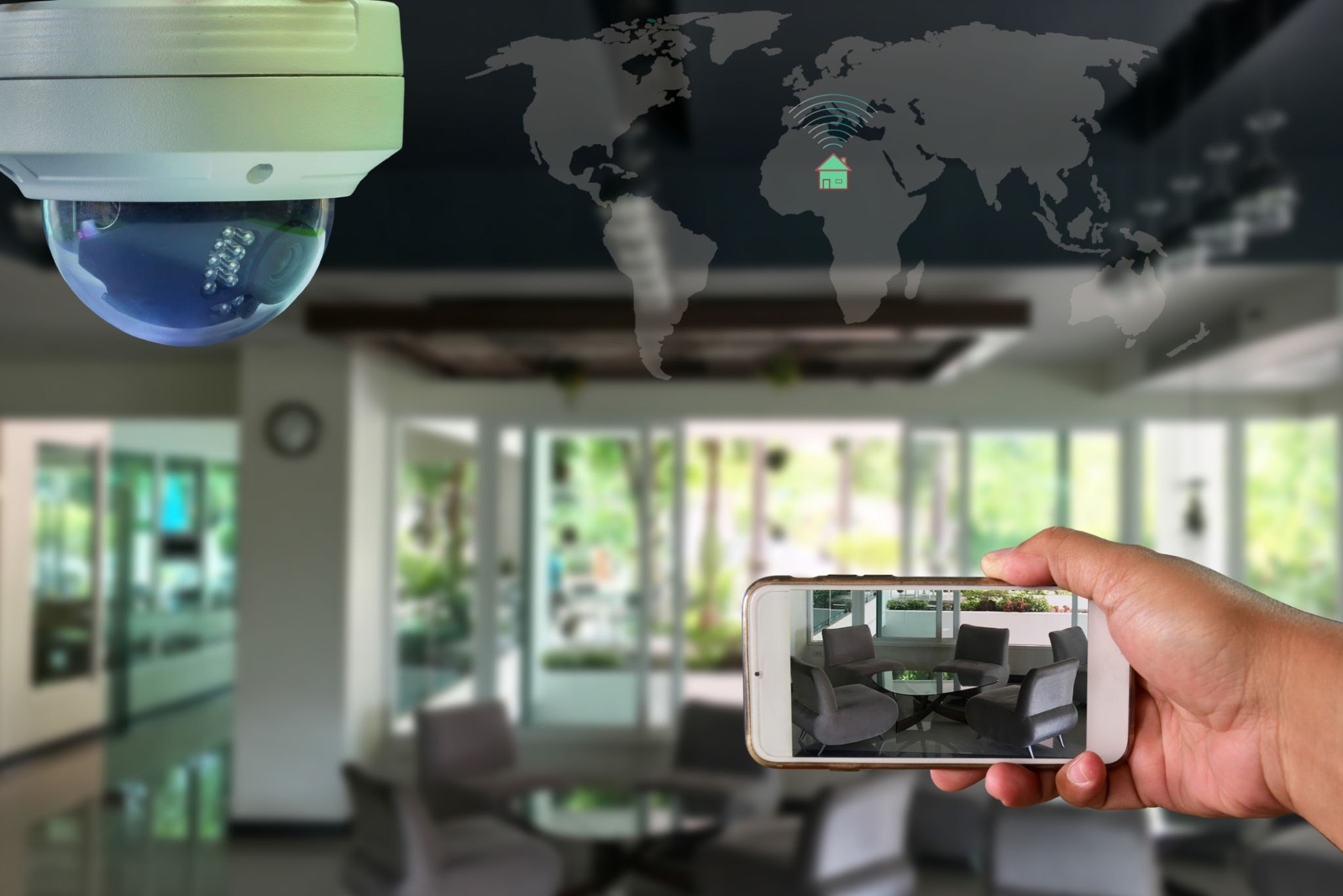
Computer Vision for Smart Buildings in Doha: The Foundation of Modern Building Security
High-rise towers in West Bay, expansive commercial complexes in Lusail, and sprawling residential developments across Doha are redefining urban architecture. However, modern architectural marvels present complex physical security and operational management challenges. Traditional security infrastructure—reliant on static CCTV feeds monitored by human guards—is no longer sufficient to secure multi-tenant skyscrapers, corporate headquarters, and high-density mixed-use developments. Implementing computer vision for smart buildings in Doha addresses these operational vulnerabilities by transforming passive video feeds into automated threat detection systems.
By deploying real-time surveillance analytics and deep learning vision models, facility directors and enterprise IT teams can automate intrusion detection, prevent tailgating, manage vehicle access via Automatic Number Plate Recognition (ANPR), and ensure strict compliance with regional safety standards. As Qatar continues to drive digital transformation through the Qatar National Vision 2030, vision AI real estate deployments in Doha are setting a global benchmark for physical building security and operational resilience.

The Security Paradigm Shift in Doha Real Estate
Doha’s real estate environment presents unique security challenges, including extreme summer temperatures, large-scale properties, high occupant density, and stringent compliance requirements overseen by Qatar’s Ministry of Interior Security Systems Department (MOI-SSD). Traditional video surveillance relies heavily on human operators to monitor numerous camera feeds, creating challenges such as cognitive fatigue, missed anomalies, and delayed responses during critical incidents. AI-powered computer vision shifts this model from passive monitoring to proactive security by using edge processing and real-time inference to continuously analyze camera feeds, identify potential threats or unusual activity, and trigger automated alerts or actions when required.
Transitioning to AI video analytics in Qatar addresses fundamental operational bottlenecks:
- From Reactive Recording to Proactive Prevention: Traditional CCTV records events for post-incident investigation. Computer vision algorithms evaluate frames in milliseconds, identifying unauthorized perimeter breaches, weapon detection, or suspicious loitering before an incident escalates.
- Managing High Occupant and Visitor Traffic: Commercial hubs in Doha handle thousands of daily visitors. Computer vision automates guest verification, monitors lobby crowds, and integrates with speed-gates to streamline access control without compromising physical security.
- Environmental Resilience: Outdoor optical hardware in Qatar faces intense sun glare, atmospheric dust, and thermal haze. Advanced computer vision models trained on local environmental datasets compensate for optical distortion, maintaining high detection accuracy year-round.
Core Applications of Computer Vision in Doha’s Smart Towers
1. Facial Recognition Access Control and Tailgating Prevention
Integrating deep learning face recognition models with turnstiles and electronic access gates removes friction for authorized personnel while blocking intruders. Advanced optical flow analysis and pose estimation detect tailgating—when an unauthorized individual follows an authorized badge-holder through a secure portal. The system instantly signals the physical barrier to hold, alerts security desks, and captures high-resolution audit logs.
2. Automatic Number Plate Recognition (ANPR) and Smart Parking
Commercial towers in West Bay and retail hubs in Pearl-Qatar require seamless parking management. High-accuracy ANPR models process video streams at gate barriers, reading Arabic and English character formats on Qatari license plates in milliseconds. Beyond access, vision models monitor stall occupancy, detect improperly parked vehicles blocking emergency routes, and direct drivers to available spots via digital signage.
3. Perimeter Intrusion Detection Systems (PIDS)
Extensive outdoor perimeters—such as those around government facilities, embassy zones, and industrial sites—are difficult to secure with physical guards alone. AI object-detection algorithms (e.g., YOLOv8 fine-tuned for surveillance) classify humans, vehicles, animals, and benign movements (such as wind-blown debris). By filtering out false alarms, security teams focus exclusively on verified perimeter line crossings or zone loitering.
4. Occupational Safety, Thermal Alerting, and Hazard Mitigation
Smart building safety extends beyond threat detection. Computer vision models monitor public spaces for fire, smoke, and water leakages prior to physical sensor triggers. When paired with dual-spectrum thermal cameras, deep learning models spot localized electrical overheating in server rooms and mechanical shafts. Furthermore, vision analytics monitor compliance with Personal Protective Equipment (PPE) regulations in maintenance areas.
High-Level Solution Architecture
Implementing enterprise-grade computer vision for smart buildings in Doha requires a resilient, multi-tiered architecture that combines real-time edge processing with centralized analytics, secure data management, and enterprise system integration.
| Architecture Layer | Technology / Components | Key Functions | Output / Integration |
|---|---|---|---|
| 1. Data Acquisition Layer | IP Security Cameras, Thermal Sensors | Capture real-time video and thermal data | RTSP / ONVIF streams |
| 2. Edge AI Processing Layer | NVIDIA Jetson, On-Premise AI Servers | Real-time video inference, object detection, anomaly detection, feature extraction | Security events and metadata |
| 3. API & Security Layer | API Gateway, Authentication, TLS, MQTT, REST | Secure communication, authentication, authorization, device management, encrypted data transmission | Secure event and metadata exchange |
| 4. Core AI Analytics & Middleware | Python, Node.js | Event correlation, AI analytics, rules engine, workflow automation, alert management | Actionable security events and alerts |
| 5. Building Management Integration | BACnet, Modbus | Integration with Building Management Systems (BMS) and building controls | Automated building/security actions |
| 6. Centralized Data Storage | PostgreSQL, TimescaleDB | Store events, metadata, timestamps, system logs, and analytics data | Historical analysis, reporting, and auditing |
| 7. Security Operations Dashboard | Web Portal, Mobile Applications | Real-time monitoring, alert visualization, incident management, reporting, and system health monitoring | Security team situational awareness |
| 8. Enterprise Integration | REST APIs, MQTT, Enterprise Middleware | Connect computer vision with existing security, facility, and enterprise platforms | Unified smart-building ecosystem |
Core Architectural Principles
| Principle | Description |
|---|---|
| Edge-First Processing | Processes video close to the camera to minimize latency and reduce unnecessary video transmission. |
| Real-Time Intelligence | Detects security events and anomalies as they occur rather than relying solely on post-incident review. |
| Secure by Design | Uses authentication, authorization, encryption, and controlled API access to protect communications and data. |
| Scalable Architecture | Supports expansion across multiple buildings, cameras, sensors, and sites without redesigning the entire platform. |
| Enterprise Interoperability | Integrates with existing BMS, security, and enterprise systems using standard protocols and APIs. |
| Resilient Operations | Maintains critical edge-based detection and alerting capabilities during temporary network or centralized-service disruptions. |
| Centralized Visibility | Provides security teams with a unified dashboard for alerts, incidents, analytics, reporting, and system health. |
Architecture Layer Breakdown
1. Ingestion Layer
- Components: IP Cameras, Thermal Imaging Units, Optical Sensors.
- Mechanisms: Delivers uncompressed or H.265-encoded video streams via standard RTSP/ONVIF protocols over isolated local VLANs.
2. Edge Processing Layer
- Components: On-premise AI Edge Appliances (e.g., NVIDIA Jetson Orin Industrial, enterprise edge servers equipped with TensorRT optimization).
- Execution: Runs real-time object detection, face recognition, and optical flow algorithms locally. Edge processing guarantees sub-100ms response times for gate triggers and reduces external network bandwidth requirements.
3. API Gateway & Application Middleware Layer
- Components: Custom microservices, API Gateway, Message Brokers (RabbitMQ/Kafka).
- Execution: Receives structured JSON alert metadata and cropped frame events from edge nodes. Routes messages safely to integrated security systems, emergency services, or administrative alert queues.
4. Data Storage & Analytics Layer
- Components: Time-series database (TimescaleDB/InfluxDB) for event telemetry, relational database (PostgreSQL) for user management and access logs, object storage (MinIO/S3-compliant) for encrypted video snippet archives.
- Execution: Stores long-term historical records to drive facility optimization insights and compliance reporting.
5. Integration & Experience Layer
- Components: Executive Dashboards (React / Next.js), Mobile Security Apps, BMS Gateways (BACnet/IP, Modbus).
- Execution: Displays real-time heatmaps, floor plan alarm indicators, live video overlays, and controls automated physical assets like doors, lighting, and elevator dispatch systems.
Technical Stack Recommendation
A production-ready computer vision ecosystem built for enterprise real estate in Qatar must leverage high-performance frameworks and reliable cloud-edge infrastructure:
| Component Category | Preferred Enterprise Stack | Key Operational Role |
|---|---|---|
| Vision Frameworks | OpenCV, PyTorch, TensorRT | Image processing, neural network optimization, model inference |
| Detection Models | Fine-Tuned YOLOv8/YOLOv9, DeepSORT | Multi-object tracking, real-time perimeter threat detection |
| Edge Hardware | NVIDIA Jetson Orin, Edge Servers | High-throughput local video processing |
| Backend Services | Python (FastAPI), Node.js, Go | Asynchronous API handling, alert routing, event processing |
| Database Systems | PostgreSQL, TimescaleDB, Redis | Relational data management, time-series metrics, low-latency caching |
| Frontend Platform | React, WebSockets, Tailwind CSS | High-frequency telemetry dashboards and live video overlays |
| Integration Protocols | BACnet/IP, MQTT, REST, ONVIF | Enterprise BMS and physical access controller communications |
Traditional CCTV vs. AI Computer Vision Architecture
Evaluating the operational shift from traditional video setups to automated vision analytics illustrates clear business advantages:
| Feature / Metric | Traditional CCTV Infrastructure | AI Computer Vision Security |
|---|---|---|
| Threat Detection | Post-event manual footage review | Real-time automated alert generation (<100ms) |
| Operator Efficiency | Degrades over time due to visual fatigue | Consistent 24/7 automated monitoring |
| Access Control | RFID cards / manual security guard check | Biometric, ANPR, and tailgating detection |
| System Integration | Isolated video recording (Siloed VMS) | Unified BMS, elevator, and lighting automation |
| Bandwidth Usage | High (Continuous raw streaming to cloud) | Low (Local edge inference; transmits alert metadata) |
| False Positive Rate | High (Triggered by rain, shadows, insects) | Low (Context-aware deep learning classification) |
| Operational Impact | Passive record-keeping cost center | Proactive, value-generating smart building asset |
Real-World Use Cases in Doha Infrastructure
Commercial Office Towers in West Bay
High-density corporate towers face challenges managing morning and evening traffic rushes. Vision AI systems coordinate with elevator dispatch systems. As an employee passes through a facial-recognition speed gate, the system identifies their destination floor, pre-assigns an elevator car, and blocks unauthorized followers—minimizing lobby wait times while enhancing floor-level security.
Luxury Residential Complexes in Pearl-Qatar
Gated communities require balance between security and residential convenience. ANPR models integrated with boom barriers recognize registered tenant vehicles instantly. Concurrently, vision analytics monitor communal areas (pools, gyms, play zones) for safety hazards, such as unattended children near water or slip-and-fall incidents, alerting staff immediately without compromising personal privacy.
Retail Operations in Place Vendôme (Lusail)
Large-scale malls utilize computer vision dual-purpose analytics. Beyond identifying shoplifting risks or unauthorized access in back-of-house delivery bays, vision models calculate foot-traffic heatmaps, peak dwell times, and queue lengths. Facilities teams adjust HVAC output based on crowd density, optimizing energy usage while maintaining security.
Cost, ROI, and Business Impact
| Cost Factors | Financial & Operational ROI |
|---|---|
| Edge AI hardware & retrofitting | 30–40% reduction in guard costs |
| Custom AI model training & tuning | Up to 85% reduction in security false alarms |
| BMS/VMS API integration | Faster incident detection and response |
| Data infrastructure & cybersecurity | Lower operational and liability risk |
| Maintenance & system optimization | Scalable, more efficient security operations |
| Annual maintenance & optimization | Energy savings via occupancy automation |
- Guard Force Optimization: Automating routine visual monitoring allows security personnel to focus on higher-value incident response, reducing overall guard headcount requirements by 30–40%.
- Reduced False Alarm Costs: Fine-tuned deep learning models cut false alerts by over 85% compared to basic motion-detection cameras, preventing wasted dispatch expenses.
- Property Valuation Boost: Equipping assets with smart technology increases tenant retention, commands higher lease rates per square meter, and aligns assets with Qatar National Vision 2030 sustainability and innovation goals.
- Energy Overhead Reduction: Computer vision occupancy tracking communicates directly with HVAC and lighting systems via BACnet protocols, powering down unused zones and cutting energy consumption.
Security, Privacy, and Regulatory Compliance in Qatar
Deploying AI surveillance solutions in Qatar requires strict adherence to regional legal frameworks and national security standards:
- MOI-SSD Compliance: Security installations across Doha must comply with the Security Systems Department of the Ministry of Interior regulations. Camera placements, frame rates, retention periods, and storage architectures must meet established technical thresholds.
- Qatar Personal Data Privacy Protection Law (PDPPL): Processing biometric data (such as facial features) requires strong protection under Law No. 13 of 2016. Computer vision architectures must implement automatic facial blurring on public streams, edge-level feature extraction (storing mathematical vector embeddings rather than raw images), and strict role-based access control (RBAC).
- Data Encryption & Cyber Resilience: All RTSP streams, API payloads, and database archives must use strong encryption standards (AES-256 for data at rest, TLS 1.3 for data in transit) to prevent unauthorized interception on internal building networks.
Implementation Roadmap
A structured, phased approach enables smooth integration of computer vision into existing or greenfield smart-building projects.
| Phase | Key Activities |
|---|---|
| 1. Discovery & Site Assessment | Assess existing cameras, network infrastructure, security zones, and site requirements. |
| 2. Data & Model Fine-Tuning | Collect local datasets and optimize AI models for conditions such as glare, lighting, and local license plates. |
| 3. Architecture & BMS Integration | Configure edge gateways, APIs, BACnet/Modbus integrations, and backend services. |
| 4. Pilot Deployment & Validation | Deploy AI at selected high-traffic areas such as lobbies, entrances, and parking gates; validate performance. |
| 5. Full Deployment & Optimization | Scale across the site, monitor performance, and continuously improve AI models and system operations. |
Why Choose CQLsys Technologies?
Implementing complex computer vision for smart buildings in Doha requires a technical partner skilled in computer vision engineering, enterprise software development, and deep integration paradigms.
CQLsys Technologies builds custom, high-throughput software and enterprise AI solutions tailored to modern infrastructure needs. Our technical teams deliver end-to-end solutions, including model development, edge optimization, and custom web/mobile dashboard design.
- Deep AI Expertise: We design custom deep learning pipelines, custom object detection engines, and edge-optimized computer vision applications built specifically for your operational hardware. Learn more about our comprehensive AI Development Services.
- Enterprise Integration: Our engineering capabilities ensure seamless software interoperability across legacy VMS, modern access controllers, and complex BMS networks. Explore our custom Software Development Services.
- End-to-End System Delivery: From cloud infrastructure and API gateways to intuitive frontends, our team builds dependable enterprise solutions tailored to regional real estate markets. Discover our full spectrum of Engineering Services or learn more About CQLsys.
Frequently Asked Questions
1. What are the key benefits of computer vision for smart building security in Doha?
Computer vision upgrades traditional security into an automated threat detection platform. Key benefits include sub-second intrusion alerts, automated tailgating prevention, high-accuracy ANPR parking access, lower operational guard costs, reduced false alarms, and seamless integration with Building Management Systems (BMS) to optimize energy and space utilization.
2. How does computer vision integrate with existing CCTV cameras in Qatar?
Computer vision systems do not require replacing functional IP cameras. By retrofitting edge AI gateways or on-premise inference servers, the software ingests standard RTSP/ONVIF video streams directly from existing cameras. This approach modernizes legacy surveillance infrastructure into an intelligent analytics network while minimizing capital expenditure.
3. Is computer vision security compliant with Qatar’s MOI-SSD standards?
Yes. Custom computer vision architectures are designed to operate alongside MOI-SSD compliant Video Management Systems (VMS). The AI processing layer sits securely on private local networks or edge appliances, analyzing video streams without disrupting required frame rates, mandatory storage retention windows, or official surveillance guidelines.
4. How does computer vision handle high temperatures and sandstorms in Doha?
Advanced deep learning vision models are trained using local image datasets that include environmental variations like harsh sun glare, heat haze, sandstorm atmosphere, and nighttime lighting. Additionally, image preprocessing pipelines filter out environmental noise to maintain accurate detection capabilities year-round.
5. What is the difference between traditional video motion detection and computer vision?
Traditional video motion detection relies on basic pixel changes, generating frequent false alarms from shadows, insects, or changing light conditions. Computer vision uses deep learning neural networks to classify specific objects (humans, vehicles, weapons, flames) and analyze contextual behavior, delivering reliable detection with low false-alarm rates.
6. How can computer vision prevent unauthorized access and tailgating?
By analyzing video feeds over entry speed-gates or access turnstiles, vision models track individual body silhouettes and motion vectors. If two individuals pass through a barrier after a single credential check, the system instantly detects tailgating, signals the gate to hold, triggers localized alarms, and logs the incident.
7. What hardware is required to deploy edge AI vision systems in commercial towers?
Edge deployments typically utilize high-performance AI edge appliances (such as NVIDIA Jetson Orin Industrial modules) or on-premise rack servers fitted with enterprise GPUs. These systems process multiple high-definition camera streams locally, guaranteeing low-latency inference without overloading external internet bandwidth.
8. How does computer vision protect occupant privacy under Qatar PDPPL laws?
To comply with Qatar’s Personal Data Privacy Protection Law (PDPPL), vision architectures can process video at the edge and discard raw frames immediately after converting features into mathematical embeddings. Systems can also apply dynamic real-time face blurring on monitoring screens and enforce strict role-based access controls for security operators.
9. What is the typical ROI for deploying AI video analytics in commercial real estate?
Enterprise building owners typically achieve full investment return within 12 to 24 months. ROI is driven by a 30–40% reduction in physical security guard overhead, over 85% reduction in false alarm response costs, lower property insurance premiums, and energy savings derived from vision-based HVAC control.
10. Why choose CQLsys Technologies for computer vision AI development in Qatar?
CQLsys Technologies delivers end-to-end, tailor-made AI software solutions. We specialize in custom neural network development, edge processing optimization, and seamless integration with existing enterprise software networks, helping developers and facility managers across Doha build secure, scalable smart building ecosystems.
Strategic Call to Action
Ready to upgrade your building infrastructure with enterprise AI
vision analytics?
Partner with CQLsys Technologies to design, build, and deploy custom
computer vision systems tailored to your physical security
requirements.
Contact Our AI Solution Architects Today to schedule a technical consultation. Connect with us on LinkedIn to explore our latest technology deployments.