Bridging the Cybersecurity Perception Gap: Why Leaders and Security Teams View Risk Differently

Cybersecurity is arguably the most critical and complex risk facing modern business. Yet, within most organizations, there exists a significant and dangerous disconnect: the Cybersecurity Perception Gap. This gap is the fundamental difference in how C-level executives and the front-line Security teams define security and assess risk.
While leadership focuses on strategic outcomes, budget allocation, and business resilience, the security team is mired in the day-to-day reality of evolving threats, legacy systems, and resource shortages. This disparity is more than a communication challenge; it's a strategic blind spot that can lead to underinvestment, misaligned priorities, and ultimately, a successful breach.
This article explores the core reasons for this gap and, more importantly, provides practical strategies for bridging the divide, ensuring that the entire organization operates with a shared, accurate view of its cyber risk.
Confidence at the Top, Caution on the Ground
Recent industry assessments consistently highlight a concerning trend: executives are often far more confident in their organization's cyber readiness than their operational security counterparts.
In many surveys, nearly half of C-level leaders (including CISOs and CIOs) report being "very confident" in their organization's ability to manage cyber risk. That confidence level often drops sharply among mid-level managers and those "in the trenches."
The Danger of Overconfidence
When leadership overestimates readiness, it directly impacts the bottom line and operational capabilities. This overconfidence can lead to:
- Underinvestment: Believing the current systems are sufficient, executives may deny budget requests for critical new technologies, talent, or proactive measures.
- Misaligned Risk Appetite: The C-suite may accept risks they don't fully understand, prioritizing speed and innovation over necessary safeguards, which is the antithesis of a strong security definition.
- Surprise During a Crisis: The operational reality—slow incident response, flawed recovery plans—comes as a shock during a real event because the reports received at the top were sanitized or overly optimistic.
Why the Perception Gap Exists: Two Worlds, One Goal

The root of the difference is not a lack of concern, but a difference in perspective, language, and focus dictated by their roles.
1. The Executive Lens: Financial and Reputational Risk
The C-suite, including the CEO, CFO, and Board members, views Cybersecurity through a business and financial lens. Their primary concerns are:
- Financial Impact: How much will a breach cost in terms of downtime, regulatory fines, litigation, and lost revenue?
- Reputation and Trust: The long-term damage to the brand and customer trust.
- Compliance: Meeting regulatory requirements (GDPR, HIPAA, etc.) to avoid penalties.
2. The Security Team Lens: Technical and Operational Reality
The security and IT professionals—the engineers, analysts, and incident responders—view Security through a technical and operational lens. Their focus is:
- Vulnerability Management: The daily reality of countless unpatched legacy systems, forgotten "shadow IT" assets, and newly discovered zero-day vulnerabilities.
- Resource Constraints: Dealing with a persistent skills shortage, overwhelming volumes of alerts, and often a reactive budget that only funds fixes after an incident occurs.
- Evolving Threats: They are the ones dealing with the newest Malware and sophisticated attacks like advanced persistent threats (APTs), giving them a much lower confidence score in the organization's current defenses.
For the security team, defining security means having the tools, processes, and people necessary to achieve and maintain a quantifiable risk reduction in the face of constant attacks.
The Language Barrier: From Bits to Bucks
A core exacerbating factor is the communication breakdown. Security teams often communicate risk using technical jargon: "We have 400 critical CVEs on our legacy server farm," or "We need to deploy a next-gen XDR solution to address lateral movement."
While technically accurate, this language means very little to a CFO focused on quarterly revenue.
The gap in communication means that:
- Leaders Miss the Details: Executives receive high-level, "sanitized" dashboards that often mask the full extent of day-to-day operational issues.
- Teams Miss the Strategy: Operational teams don't understand why a particular risk is accepted (e.g., "The board accepted a higher risk to launch Product X, which generates 30% of our Q4 revenue"). This leads to frustration and resentment.
To truly align, the security narrative must shift from technical vulnerabilities to quantifiable business impact.
The Impact: Misaligned Risk and Unfunded Mandates
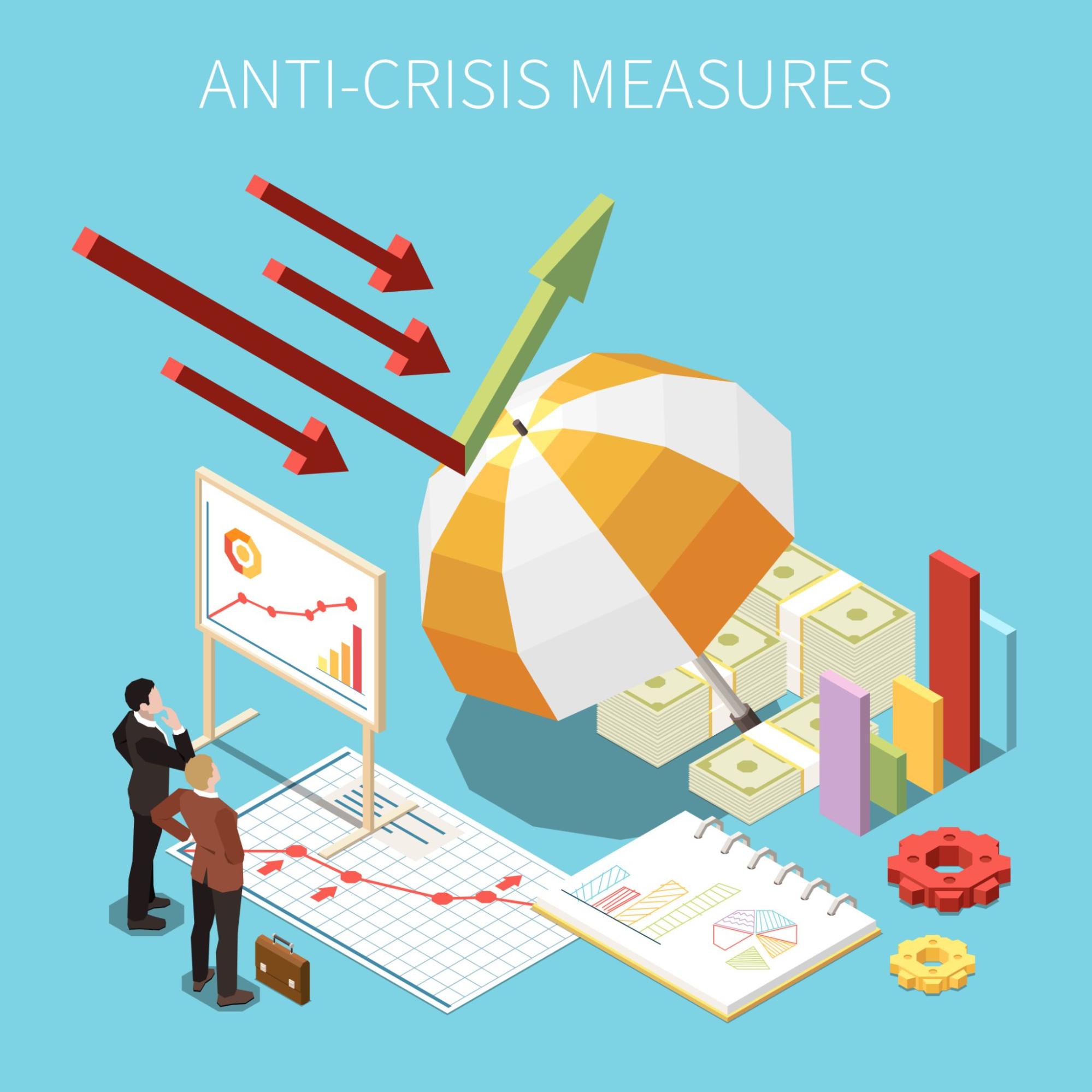
The perception gap has tangible, negative consequences for the organization's Cybersecurity posture:
- Skewed Priorities: Resources may be allocated to address low-impact risks that are technically interesting, while high-impact, business-critical risks are ignored because they are not properly communicated in financial terms.
- Reactive Budgeting: A lack of clear, consistent reporting on true risk leads to a security budget that is reactive—spending increases sharply after a breach, rather than being proactively invested to prevent one.
- Burnout and Turnover: Security teams constantly raising alarms that are dismissed or misunderstood by leadership experience low morale and high turnover, further weakening the organization’s defenses.
Note: While issues like cyber bullies or internet bullying (or cyberbullying) are serious concerns for end-users, within the enterprise perception gap discussion, the core conflict revolves around financial, operational, and technical risk, not social safety. The security definition must be focused on asset protection and business continuity.
Bridging the Divide: Three Strategic Imperatives

Closing the Cybersecurity Perception Gap is a strategic imperative that requires organizational change, not just better charts.
1. Speak the Language of Business: Risk Quantification
The single most effective tool for bridging the gap is financial risk quantification. Security teams must translate technical risk into clear business metrics:
From: "We have 10,000 devices without EDR protection."
To: "The risk of a catastrophic data breach is $\text{X}\%$ per year. Mitigating this risk with EDR would reduce our potential financial loss by $\text{Y}$ million dollars, achieving a return on investment of $\text{Z}$% within 12 months."
This shifts the conversation from a technical mandate to a data-driven business investment.
2. Implement Cross-Functional Collaboration and Simulation
True alignment requires mutual understanding built through shared experience, not just shared reports:
War Games/Tabletop Exercises: Regular, realistic breach simulations should involve the C-suite, legal, communications, and IT/Security teams. This forces executives to experience the operational challenges of a crisis firsthand and helps the security team understand the business priorities during recovery.
CISO as Business Partner: The CISO should report on risk reduction metrics and key business indicators (KBIs)—like time to detect, time to remediate, and vulnerability debt—not just technical performance indicators (KPIs) like patch counts.
3. Establish Continuous Feedback Loops
Communication is a two-way street. Leaders must actively seek ground-level intelligence, and security practitioners must provide it transparently:
Open Reporting: Encourage mid-level managers to report operational concerns honestly, without fear that their caution will be perceived as incompetence or result in their budget being cut.
"What If" Scenarios: Executives should regularly engage security teams with questions like, "If we launch this new cloud product next month, what is the single biggest risk, and how much would it cost if that risk materialized?"
The goal is to move from two separate realities—one strategic, one operational—to a shared visibility built on trust and a common language of quantified risk.
Conclusion: One Team, One Reality
The Cybersecurity Perception Gap is the single greatest risk management challenge many organizations face. It’s a dynamic tension between the executive's mandate to grow and the security team's mission to protect.
By fundamentally changing the risk conversation—moving from technical jargon to financial impact, and replacing theoretical confidence with practiced readiness—organizations can unify their approach. When leaders and practitioners look at the cyber landscape and see the same reality, they can finally move in lockstep, building a unified, resilient defense capable of meeting the threats of today and tomorrow.
Ready to Quantify Your Risk?
Would you like to explore a framework for translating your current technical vulnerabilities into a financial risk report that aligns with your C-suite's priorities?