Proactive vs. Reactive Server Security: How CQLsys Keeps You Ahead of Potential Threats
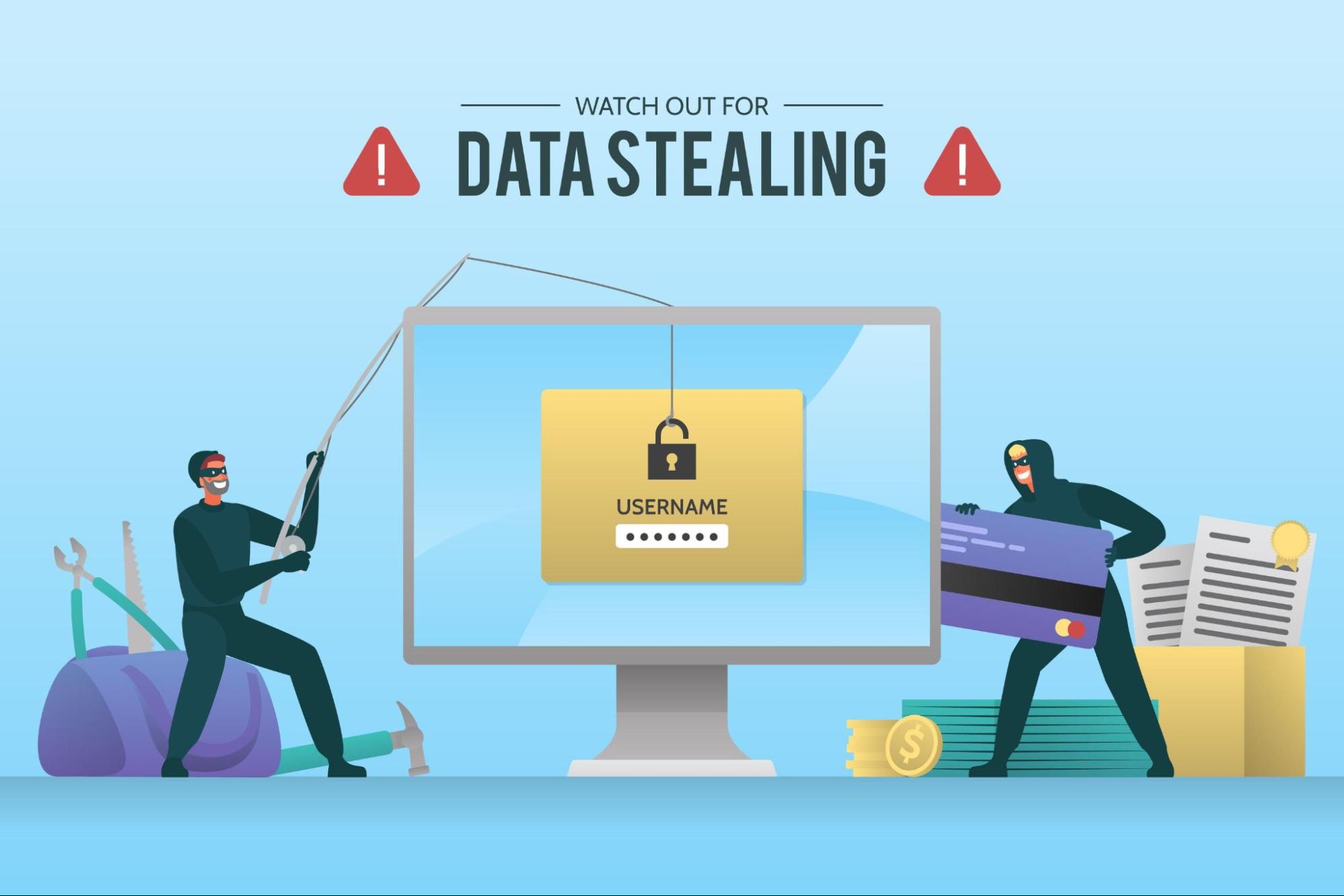
In the high-stakes world of digital business, your server is the fortress that holds your most critical data. The question is: are you waiting for the walls to be breached before you call for help, or are you strengthening them now?Many organizations operate on a Reactive Security model, which is fundamentally a strategy of damage control. They rely on firewalls and antivirus software to catch the threats they know about and only spring into action—triggering an Incident detection and response plan—after an alarm has sounded or, worse, a successful breach has occurred. The modern cyber threat landscape, however, demands a shift. At CQLsys, we champion a Proactive Security Strategy—a mindset and a system designed to anticipate, detect, and neutralize threats before they can cause harm. It’s the difference between catching a burglar before they step inside and calling the police after the safe is empty.This is the definitive guide to understanding the crucial difference between these two approaches and how CQLsys's managed server security services ensure your business is always one step ahead.
The Fundamental Difference: Prevention vs. Cure The debate between proactive and reactive security boils down to a single, critical element: timing.Reactive Server Security: The Aftermath Model
| Key Reactive Components | Description |
|---|---|
| Incident Detection and Response | The playbook for what to do after a breach is confirmed, focusing on containment and eradication |
| Patching After Exploit | Applying security updates only after a vulnerability has been publicly exploited or an internal breach has occurred. |
| Digital Forensics | Investigating the logs and systems post-incident to understand how the attack happened. |
| Disaster Recovery | Using backups and procedures to restore compromised systems and data. |
What is reactive server security? It’s an approach focused on responding to security incidents after they have already begun or been completed.How reactive security works in cyber attacks: A reactive system often relies on signatures of Malware or known attack patterns. When a new, zero-day threat emerges, the system can be completely bypassed until the security vendor releases an update—leaving a wide window for damage. This approach guarantees that you will always be chasing the attacker.
Proactive Server Security: The Prevention Model
What is proactive server security? It's a continuous, strategic effort to identify and mitigate vulnerabilities and threats before they can be exploited. It is a commitment to risk elimination.
| Key Proactive Components | Description |
|---|---|
| Active Threat Hunting | Security analysts constantly search for hidden threats that have evaded automated defenses, often using behavioral analytics tools. |
| Vulnerability Management | Continuous monitoring your systems 24/7, running frequent vulnerability scans, and proactive security measures for servers like applying patches immediately. |
| Zero-Trust Strategy | Assuming compromise is possible, requiring strict verification for every user and device attempting to access resources (e.g., multi-factor authentication). |
| Security Fabric | Integrating all your security tools and services into a unified system for coordinated defense and response. |
A proactive approach doesn't just put out fires; it systematically removes the fuel, ensuring the fire never starts. This is the Difference between proactive and reactive security and why the proactive approach is vastly superior.
5 Reasons Why Proactive Security is Better Than Reactive
The shift from reactive to proactive is not just a technical preference; it's an economic imperative.
1. Reduced Cost and Unpredictability
Why is proactive security better than reactive? The cost of recovery is exponentially higher than the cost of prevention. A reactive approach subjects your business to the devastating, unpredictable financial aftermath of a breach, including:
- Downtime: Lost revenue from crippled operations..
- Legal & Regulatory Fines:Massive penalties for non-compliance with data protection laws. .
- Reputational Damage: Irreversible loss of customer trust and future business. .
By contrast, a dedicated Proactive Cybersecurity Strategy converts potential crisis expenses into a manageable, predictable operational budget. This delivers a massive Return on Investment (ROI) by avoiding catastrophe-level costs and ensuring business continuity. This proactive investment can even lead to more favorable terms from the cybersecurity insurance industry.
2. Staying Ahead of Evolving Threats
Cybercriminals constantly evolve, creating polymorphous malware that bypasses traditional security. Reactive systems wait for known breaches, while proactive systems use behavioral analytics and AI to detect anomalies early—even in zero-day or insider attacks. Active threat hunting reduces attacker dwell time from months to hours.
- Reactive systems : wait for an update after a breach is public knowledge.
- Proactive systems:particularly those leveraging AI in cybersecurity, use behavioral analytics tools and trusted cybersecurity news sources to detect subtle anomalies—the first sign of an attack—even from a malicious insider or a new, unknown exploit. .
The proactive approach, involving Active Threat Hunting, drastically reduces the attacker's "dwell time"—the period they operate undetected—often intercepting threats in days, not months.
3. True Risk Mitigation: Fortifying the Core
A purely reactive strategy accepts the risk of a breach. A proactive strategy is a commitment to eliminating it.
Proactive security measures for servers focus on fortifying the core assets:
- Zero-Trust: Implementation of a robust zero-trust strategy means no user, inside or outside the network, is trusted by default.
- Access Control: Strict multi-factor authentication and the Principle of Least Privilege (PoLP) are non-negotiable password protections.
- Endpoint Security Services: Protecting every point of access, from servers to laptops, as if the network perimeter no longer exists.
4. Compliance and Audit Readiness
Industry standards like HIPAA, GDPR, and PCI DSS mandate proactive controls. Relying on reactive measures risks non-compliance and penalties. A proactive approach ensures seamless audit readiness.
5. Building Customer Trust
Security is now a competitive differentiator. Proactive protection shows clients that their data is safe—while a breach from reactive negligence can permanently damage your brand.
CQLsys's Proactive Server Security: Your Unbreachable Fortress
At CQLsys, we implement proactive security through:
- Managed Server Security & Hardening: Rigorous configuration, disabling weak points, real-time vulnerability scanning, and immediate patching.
- 24/7 Monitoring & Threat Hunting: Behavior analytics, global threat intelligence, and active hunting for Indicators of Compromise.
- Endpoint Security & Multi-Layered Defense: Next-gen antivirus, IPS, MFA, and strong password policies.
- Breach Response Planning: Even with proactive security, a rapid response plan ensures quick containment if needed.
Cybersecurity Checklist: How Covered Is Your Business?
Ask yourself these critical questions to gauge your current security posture:
| Question | Reactive Answer | Proactive Answer (CQLsys Standard) |
|---|---|---|
| How do you detect a breach? | After an alert or discovering data loss. | Monitoring your systems 24/7 via active Threat Hunting and behavioral analytics tools. |
| How do you handle known vulnerabilities? | Wait for the next scheduled patch cycle. | Automated, immediate patch management and continuous vulnerability scanning. |
| What is your access policy? | Username/Password, and only some areas require MFA. | Multi-factor authentication is mandatory; a strict zero-trust strategy is in place. |
| What's your plan for a novel attack? | We start investigating once the attack is identified. | We use threat intelligence and security fabric to anticipate and neutralize new threats pre-exploit. |
| When did you last test your defenses? | Never, or during an annual audit. | Regular, unannounced penetration testing is part of our service. |
If your answers lean towards the Reactive column, your business is at unnecessary risk.
Conclusion: Choose Foresight Over Fallout
The battle between Proactive vs. Reactive Server Security is over. The proactive approach is the only model that delivers resilience, financial predictability, and true business continuity. A strategy based on reaction is simply a tacit acceptance of future disaster.
At CQLsys, we believe your server security should be a source of confidence, not a constant worry. By implementing a sophisticated, layered proactive security strategy that includes zero-trust, multi-factor authentication, continuous monitoring of your systems 24/7, and expert endpoint security services, we don't just manage your security—we eliminate your risk.
Choose to be ahead. Choose CQLsys.
Ready to Transform Your Server Security Posture?
Would you like to schedule a free, no-obligation security posture assessment to see where your business is vulnerable and how CQLsys's Proactive Security Strategy can protect you?